What Size Water Heater Does Your Family Really Need?
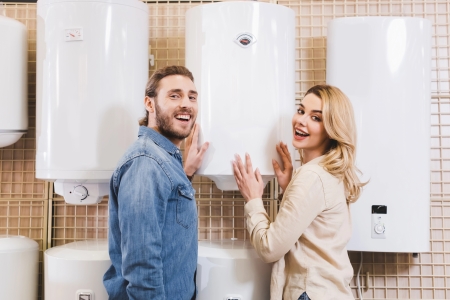
Picking the right water heater size matters more than most homeowners realize. The best fit keeps showers hot, dishes clean, and laundry simple without wasting energy or space. If you’re replacing a unit soon, start with a quick plan for capacity, then let a pro handle safe placement and setup with professional installation so your new system performs the way it should.
How Water Heater Size Works In New Jersey Homes
Two numbers guide most decisions for traditional tanks: storage capacity and the first-hour rating. Capacity is the number of gallons the tank holds. The first hour rating shows how much hot water the heater can deliver in the first hour of use, combining stored hot water with how fast the unit reheats.
First Hour Rating Explained
Think of the first hour rating as the water heater’s “morning rush” number. If your family uses a lot of hot water back-to-back, a higher rating keeps showers warm and avoids delays while the tank catches up.
Recovery Rate Basics
The recovery rate is how quickly the unit reheats cold water once the tank level drops. Gas models usually recover faster than standard electric units. New Jersey winters lower incoming water temperature, so the heater has to work harder to raise it to a comfortable setting, which makes recovery rate even more important.
Match Your Household To The Right Tank Size
Every family uses hot water a little differently, but these guidelines help frame the conversation with your installer. Morning back-to-back showers, a large soaking tub, or frequent laundry may mean stepping up a size.
- Singles or couples with modest use: consider smaller tanks that still meet your morning routine.
- Small families with 1–2 bathrooms: a mid-size tank often balances comfort and efficiency.
- Larger households or homes with a big tub: a larger tank or higher first-hour rating prevents cold surprises.
- Multigenerational homes: a larger capacity or high-recovery setup helps during peak demand.
Usage patterns matter as much as headcount. A family that staggers showers over two hours may do fine with a smaller tank, while everyone showering in 45 minutes benefits from a bigger first hour rating. Remember, bigger isn’t always better; oversizing can waste energy and space, especially in tight New Jersey basements.
Factor in New Jersey Winters and Shore Living
When outside temperatures drop, the water entering your home is colder. Your heater needs more work to bring it up to a comfortable temperature, which effectively lowers usable output. That’s why a size that seems fine in July can feel undersized in January.
Homes near the Shore often see higher hot water use on weekends after beach days or sports. In North Jersey and Central Jersey, older homes may have longer pipe runs that cool water before it reaches the tap. Plan for these local quirks so you don’t end up adjusting shower times or skipping laundry on busy nights.
Cold New Jersey winters can stretch recovery time, especially in older basements and utility rooms. A slightly higher first-hour rating helps prevent mid-shower temperature dips. Keep storage clear around your unit so heat and airflow stay consistent.
Consider Fuel Type, Efficiency, and Recovery
Your fuel type influences recovery and sizing strategy. Gas units usually reheat faster, which can let you choose a similar or slightly smaller capacity while still meeting peak demand. Electric units may need a little more capacity or higher efficiency to keep pace.
High-efficiency options can deliver more hot water per unit of energy used. That pays off during long New Jersey heating seasons. Talk with your installer about venting, electrical capacity, and placement so the unit you choose can actually run at its rated performance in your home.
If you want a quick overview of local expertise and services, explore how New Jersey water heaters are handled by specialists who understand our housing stock and climate. That perspective helps right-size your system the first time.
Space, Venting, and Access in Tight Homes
Many New Jersey homes have compact utility rooms, low ceilings, or narrow stairwells. Measure doorways, consider turning clearances, and think about how future maintenance will happen. Tall, slim tanks can fit better in row homes or condos, while a shorter, wider unit may tuck under a shelf in a basement.
Venting and air supply also matter. Some older homes need updates to accommodate a new model’s requirements. Your installer will verify clearances, exhaust routes, and safe combustion air so your new heater works efficiently and safely.
Plan for Guests, Teens, or Future Additions
Households change. A tank that works for a young couple can struggle when teens start taking long showers or when relatives visit often. If you expect your demand to grow, choose a capacity or first hour rating with a little headroom. It’s also smart to think about a bathroom addition or a bigger washer that might arrive in a few years.
Some families prefer to keep the tank size modest and adjust habits, like staggering showers. Others would rather stick to keeping mornings smooth. Either way, your installer can model your peak hour demand and give you an option that matches your comfort goals.
When Tankless or Hybrid Makes Sense
Tankless units heat water as it flows, which frees up floor space and provides continuous hot water as long as the flow is within the system’s rating. They can be a strong fit for smaller homes or for families that want a steady temperature during longer showers. Hybrids that use heat pump technology offer high efficiency and can ease the load in busy households, especially when placed in spaces with enough ambient air.
Each technology has installation requirements and best-use cases. A quick assessment of your plumbing layout, gas or electrical capacity, and fixture count will reveal whether a tank, tankless, or hybrid style is the better match for your home and lifestyle.
Signs Your Current Water Heater is Undersized
- Back-to-back showers go lukewarm or cold.
- Hot water fades fast when laundry and the dishwasher run together.
- It takes too long for the hot water to recover after a short break.
- Family schedules feel constrained by when the tank can keep up.
If you recognize these patterns, a right-sized replacement can restore comfort. In many New Jersey homes, minor changes in capacity or a better first-hour rating make a big difference without taking more space.
How To Estimate Your Peak Hour Demand
Peak hour demand is the busiest 60 minutes of hot water use in your home. Picture an early weekday when showers, shaving, and running the dishwasher overlap. Your installer will translate that pattern into the first hour rating and recovery your system needs to stay comfortable.
Here’s a simple way to think about it during your consultation:
If your timeline is tight and several hot water tasks happen together, you’ll likely need a higher first-hour rating or a bit more capacity. If you can spread tasks out, a slightly smaller tank might work. Inlet water temperatures during New Jersey winters also affect these choices because colder water takes longer to heat.
Why Professional Sizing and Installation Pay Off
A properly sized and installed system preserves comfort and helps avoid energy waste. It also protects your home. Water heaters must be set up with the right venting, expansion considerations, and safety devices so they run reliably.
The smoothest path is a quick, on-site assessment followed by a clear recommendation. If you’re comparing options now, review capacity and first hour rating side by side, then schedule expert installation so the unit you choose performs as promised.
Never store flammable items near your water heater, and keep the area around the unit clear so it can breathe and operate safely. If you ever notice leaks, unusual noises, or inconsistent temperatures, call a pro right away.
Real-World Scenarios From Across New Jersey
City condos in places like Jersey City often benefit from compact, high-recovery solutions because space is tight and shower schedules overlap. Suburban homes around Edison or Woodbridge may use larger tanks to support multiple bathrooms and laundry at the same time. Along the Shore, families often want a system that can handle weekend guests without juggling showers.
Every home is different, but New Jersey’s mix of older construction, cold winters, and busy schedules shows why thoughtful sizing matters. A little planning now avoids a lot of frustration later.
Next Steps To Get The Right Size
Measure your space, list how your family actually uses hot water during the busiest hour, and note any changes coming this year. Then talk with a licensed installer who understands our region’s housing and winter conditions. That’s the fastest way to land on a system that keeps mornings easy and evenings relaxed.
Ready to make cold showers a thing of the past? Call New Jersey Water Heaters at 732-257-1699 to size and install the right unit for your home. Prefer to book online? Get your project moving with trusted water heater installation in New Jersey today.
If you are looking for water heater services in New Jersey, please call 732-257-1699 or complete our