Do Heat Pump Water Heaters Make Sense in New Jersey’s Climate?
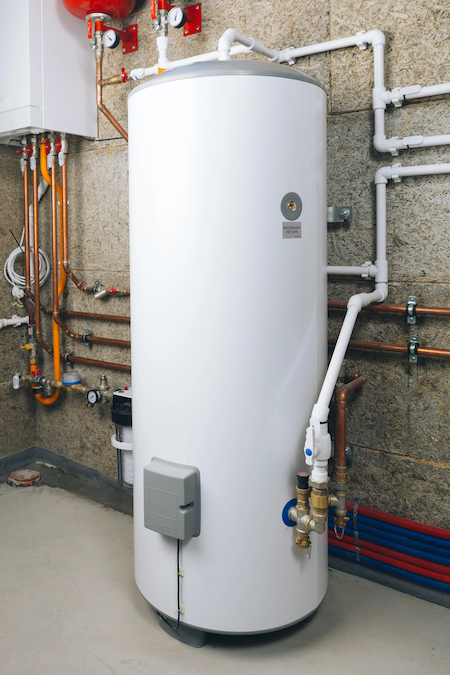
Short answer: often yes. Heat pump water heaters can be a smart choice for many New Jersey homes because they use less energy than standard electric models and still deliver steady hot water. If you want a deeper dive or you are comparing brands and features, you can also review our energy-saving heat pump water heaters page for a quick overview.
New Jersey weather swings from frosty winters along the Shore to hot, humid summers inland. That mix can actually play in your favor. A heat pump water heater pulls warmth from the surrounding air, so it tends to run most efficiently when your basement or utility room is warmer, and it can still meet demand in colder months by switching modes. The key is choosing the right location, settings, and size for your home with help from a pro at New Jersey Water Heaters.
How Heat Pump Water Heaters Work In New Jersey
Think of a refrigerator, but in reverse. Instead of pushing heat out, a heat pump water heater moves heat in, from the room air into the water tank. That transfer process uses less electricity than creating heat from scratch. In winter, when basement temperatures dip, modern “hybrid” units automatically blend heat pump operation with built-in electric elements to keep recovery time reasonable.
In coastal towns like Asbury Park, Point Pleasant, and Toms River, many homes have basements that sit near ground temperature most of the year. In places like Freehold and Red Bank, utility rooms over garages can vary more. Either way, with proper placement and settings, these systems provide reliable hot water without constant high power draw.
Seasonal Performance: Winters, Summers, And Everything Between
New Jersey winters can be chilly, but most conditioned or semi-conditioned basements stay within the operating range for heat pump water heaters. When the space gets very cold, hybrid mode uses the backup elements to maintain supply. In summer, the same unit removes heat and a bit of moisture from the room, which is a nice side benefit for damp basements common near the Shore and in older homes.
Noise is modest, similar to a window AC on a low setting. If your utility room shares a wall with a bedroom, talk with your installer about placement and vibration pads. Also consider how the unit’s airflow may interact with nearby storage or shelving. Planning these small details up front keeps day-to-day life comfortable.
What Your New Jersey Home Needs For Best Results
Most houses already meet the basics. A quick reality check will confirm fit:
- Place the unit where it can breathe. A larger room or an area that can be ducted for intake and exhaust helps efficiency.
- Allow clearances. Manufacturers list minimum space around the unit for airflow and service.
- Plan for condensate drainage. The water pulled from the air needs a drain, pump, or line to a proper discharge point.
- Think about sound. Keep it away from living areas if possible, or use isolation pads.
- Verify electrical requirements. Your installer will confirm circuit and breaker needs for your specific model.
If space is tight, some models allow ducting the intake or exhaust to an adjacent area. That can solve airflow concerns in compact utility closets or smaller townhomes seen in Middlesex and Monmouth County communities.
When A Heat Pump Water Heater Makes The Most Sense
These units shine for many households across New Jersey. You are likely a strong candidate if you check a few of these boxes:
- You have a basement or utility room with enough air volume or the option to add simple ducting.
- Your family uses a steady, predictable amount of hot water, such as morning showers and evening dishwashing.
- You currently heat water with an older electric tank and want to reduce energy use.
- You appreciate cooler, drier basement air during summer humidity.
Homes with larger families or frequent back-to-back showers can still do well. The solution is right-sizing the tank and using hybrid mode for faster recovery during peak use times. A quick conversation with New Jersey Water Heaters will match the tank size and settings to your routines.
When Another Option Might Fit Better
If your only install location is a small, closed closet with no way to add ducting, performance may drop. In those cases, a traditional electric tank or a different configuration may be smarter. If you are comparing to gas systems, remember that fuel availability, venting, and your household’s hot-water patterns all play a role. Our team can help you weigh the tradeoffs without pressure so you pick a solution that simply works.
Comfort, Controls, And Everyday Use
Hybrid heat pump water heaters come with modes for different needs. Many homes in New Jersey use an efficiency mode for most of the year, then hybrid mode during holiday visits or extra laundry days. Vacation mode saves energy when you are away for a long weekend at the Shore. You can also schedule operation to line up with your family’s routine, so the hottest water is ready exactly when you need it.
Think about the room, not just the tank. In winter, if your basement is already on the cooler side, you can let the unit pull air from a slightly warmer area or reduce airflow recirculation with simple duct options. In summer, the gentle dehumidification makes storage areas feel less clammy and helps control musty odors that older homes sometimes develop.
Sizing For New Jersey Families
Picking the right size is about morning rush hours, laundry habits, and how many fixtures run at once. A growing family in Brick may choose a larger tank to handle back-to-back showers. A couple in Red Bank might prefer a smaller footprint with efficiency mode most of the year. Your installer will look at bathrooms, tub size, showerheads, and rinse cycles to recommend a size that balances comfort and energy use.
Water quality also matters. Hard water and sediment can affect any storage tank over time. For ideas on longevity, see this practical read on prolonging your water heater’s lifespan. Routine professional maintenance helps keep recovery times consistent and efficiency high.
Placement Ideas Around New Jersey Homes
Basement installs are common from Toms River up through Middletown because they check the boxes for space and drainage. Garages in towns like Howell or Jackson may also work if you can meet airflow needs and protect the unit from extreme cold snaps. Utility rooms near kitchens or laundry areas are another option, especially if you can duct the unit to draw air from a larger space.
Talk with your installer about shelves, stored items, and appliance spacing. Heat pump water heaters move air, so boxes or laundry baskets should not block intake or exhaust. A tidy layout today avoids nuisance issues later.
Energy Use And The Big Picture
Most homeowners look at heat pump water heaters to lower electricity use over the long run. Your actual savings depend on household size, local rates, and how you use hot water. Many New Jersey families see the best results when they combine the right tank size with smart settings. If you are still comparing options, take a minute to skim our heat pump water heater page for a plain-English recap of benefits and features.
What To Expect From Professional Installation
Always use a licensed professional. The installer will assess the room, confirm electrical requirements, plan condensate drainage, and review ducting options if needed. They will also set the initial mode and temperature for your routine and talk through what to expect in winter and summer. The result is simple: hot water when you want it, using less energy than your old setup.
With New Jersey Water Heaters, you get clear communication and careful workmanship. If you want to explore broader home solutions or read more about heat pump water heaters in New Jersey, our main site has helpful info organized by need so you can move at your own pace.
Is A Heat Pump Water Heater Right For Your Home?
If you like the idea of steady hot water with lower energy use, you are on the right track. The next step is a quick in-home evaluation to confirm placement, size, and settings. Our team will answer questions and give you a straightforward plan without guessing or vague promises.
Ready to get started? Call New Jersey Water Heaters at 732-257-1699. If you prefer to read more before you call, our overview of energy-saving heat pump water heaters shows what matters most for New Jersey homes so you can decide with confidence.
Heat Pump Water Heaters In New Jersey: Quick Takeaways
They often make sense in New Jersey homes with a basement or utility area that has enough airflow (or simple ducting). You can enjoy lower electric use, reliable hot water year-round, and even a little dehumidification during humid summer months.
If you are looking for heat pump water heater installation in New Jersey, please call 732-257-1699 or complete our